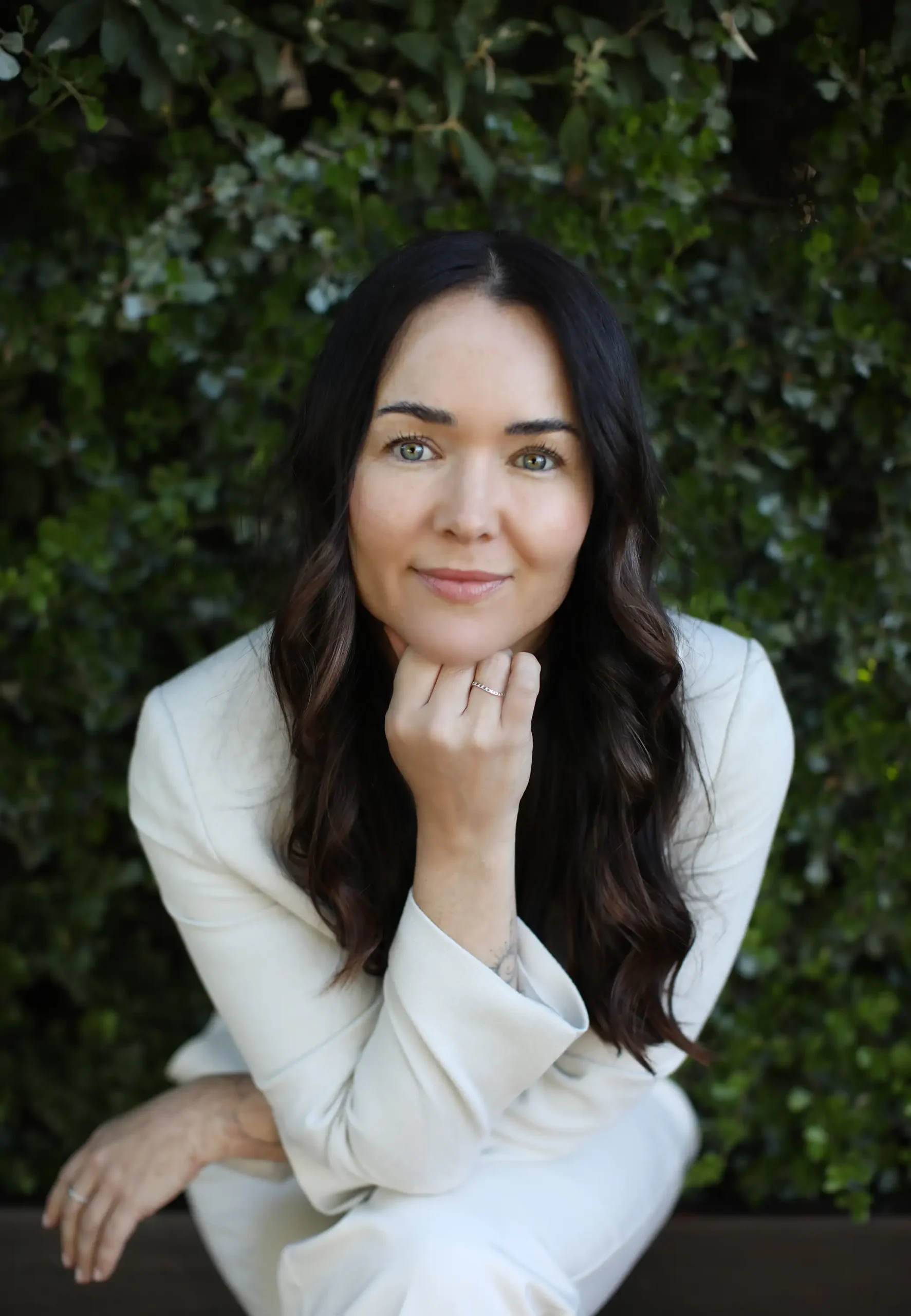
Hi, I'm Lauren.
I’m a psychotherapist and eating disorder specialist, working with adults experiencing eating disorders, anxiety and OCD. I work with anxiety and OCD both independently and when they occur alongside an eating disorder.
Eating disorders are a specialist focus of my practice, but people rarely arrive in therapy fitting neatly into one box. Anxiety can become tangled with food, body image or control. Perfectionism and rigid rules can cut across different areas of life, and sometimes the strategies that once helped you cope gradually become part of what is keeping you stuck.
My role is to understand how these pieces fit together for you. I work collaboratively, using evidence-based psychological therapy while remaining curious about the person behind the symptoms.
Whether you are reaching out for the first time or returning to therapy, you do not need to arrive knowing exactly what is wrong or what needs to change. We can begin with what is happening now and work it out together.
How I Work
I believe therapy works best when it is collaborative.
No two people experience an eating disorder or anxiety in exactly the same way, which is why I tailor treatment to the individual rather than applying the same approach to everyone.
My work is grounded in evidence-based psychological therapies whilst recognising that lasting recovery often involves understanding the relationship between our thoughts, emotions, behaviours, relationships and physical wellbeing.
I draw primarily from Cognitive Behavioural Therapy (CBT), integrating Enhanced CBT (CBT-E), Dialectical Behaviour Therapy (DBT), Family-Based Treatment (FBT) and trauma-informed approaches where appropriate. My background in Clinical Nutritional Therapy also enables me to support the nutritional rehabilitation that is often an important part of eating disorder recovery.
Above all, I aim to create a therapeutic space that feels compassionate, honest and safe. Therapy isn’t about being judged. It’s about helping you understand yourself differently and discovering that recovery is possible.



Qualifications & Specialist Training
My training spans clinical psychology, cognitive behavioural therapy, eating disorders and nutritional therapy, allowing me to work with both the psychological and behavioural aspects of change.
My qualifications and specialist training include:
- MSc Clinical Psychology (Distinction), London Metropolitan University
- Master’s Diploma in Clinical Nutritional Therapy, College of Naturopathic Medicine
- Postgraduate Certificate in Cognitive Behavioural Therapy, University of Oxford (currently completing)
- Specialist training in Enhanced Cognitive Behavioural Therapy (CBT-E), University of Oxford
- Dialectical Behaviour Therapy (DBT)-informed training
- Training in Family-Based Treatment (FBT) for eating disorders
- Training in Focal Psychodynamic Therapy for Anorexia Nervosa
I continue to undertake specialist training and regular clinical supervision as part of my practice.
Evidence-Based Care
I believe good therapy should be informed by evidence while still making room for the individual person sitting in front of me.
My MSc research explored therapist involvement in digital Cognitive Behavioural Therapy for bulimia nervosa, with a particular focus on how therapist support may influence engagement and treatment outcomes. This strengthened my interest in how evidence-based treatments can be delivered in ways that remain genuinely responsive to the person receiving them.
I continue to engage with emerging research, specialist training and regular clinical supervision so that my practice continues to develop alongside the evidence.
Where appropriate, I also work collaboratively with psychiatrists, physicians, dietitians and other professionals involved in a person’s care. This is particularly important in eating disorder treatment, where psychological, nutritional and medical needs often need to be considered together.
A Little More About Me
Finding the right therapist can feel like a big decision. Qualifications and experience matter, but so does finding someone you feel comfortable enough with to be honest.
I value curiosity over judgement and honesty over perfection. I take the work seriously, but I do not believe therapy always has to feel serious. There is room for warmth and humour too. Used at the right moment, humour can soften shame, build connection and make difficult conversations feel a little easier to have.
You do not need to arrive with the right words or a perfectly organised version of what has been happening. You can bring things as they are.
My hope is that therapy feels like a place where you are genuinely understood, while also feeling supported and appropriately challenged when change is needed.